The U.S. Department of the Treasury issued a general license authorizing, through August 21, transactions involving the production, transport, and sale of Iranian-origin crude oil, petrochemical products, and petroleum products.
As a result, international oil prices have continued to decline.
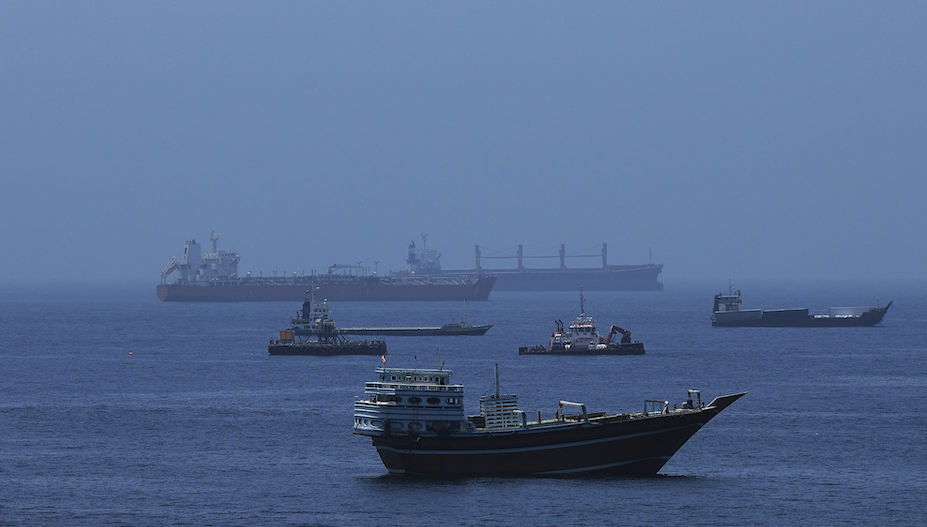
June 22 — Following the signing of a ceasefire memorandum of understanding between the United States and Iran last week and the completion of a new round of high-level talks in Switzerland, the U.S. Treasury announced on Monday a relaxation of decades-long sanctions on Iran’s energy sector.
According to China Central Television (CCTV) News, the U.S. Treasury issued a general license authorizing, through August 21, transactions involving the production, transport, and sale of Iranian-origin crude oil, petrochemical products, and petroleum products.
The license also permits Iran to use U.S. dollars for oil transactions and allows U.S. importers to purchase Iranian crude oil, petrochemical products, and petroleum products.
U.S. Treasury Secretary Scott Bessent commented that, based on the “ongoing productive talks” in Switzerland, Iran has committed to “ensuring the free and open passage of the Strait of Hormuz” and to allowing “IAEA observers access to the country.” Meanwhile, a spokesperson for Iran’s Ministry of Foreign Affairs stated that Iran did not negotiate nuclear issues during Sunday’s talks in Switzerland and did not accept any new commitments.
Following the latest developments, international oil prices have continued to fall. WTI crude oil futures were last quoted near $73 per barrel, while Brent crude oil futures fell below $78 per barrel, having reached the gap left by the price surge at the onset of the conflict in early March.
(Brent daily chart, source: TradingView)
In the text of the memorandum of understanding released last week, the United States agreed to grant exemptions for Iranian crude oil, petroleum products, and their derivatives, as well as all related services, including banking transactions, insurance, and shipping. The United States first imposed sanctions on Iran in 1979, with additional measures added over subsequent decades.
As another significant change under the memorandum, the U.S. Navy lifted the blockade on Iranian ports and coastal areas last Thursday. Iranian oil tankers that previously transited the Strait of Hormuz “in darkness” during the conflict have now reactivated their transponders and are departing the Persian Gulf fully loaded with oil.
Prior to the U.S. blockade imposed in April, Iran typically shipped over 1.5 million barrels per day of crude oil for export. With the blockade in effect, May shipments fell to just 260,000 barrels per day.
With the formal signing of the memorandum, the volume of transits through the Strait of Hormuz has risen sharply.
Kpler data shows that the number of transits jumped to 35 on Saturday, but fell back to 17 on Sunday amid panic over whether the Strait had been closed due to Iranian threats.
Current transit volumes remain significantly below pre-war levels, when more than 100 vessels passed through the Strait of Hormuz daily.