Goldman Sachs has lowered its 12-month US recession probability from 25% to 15%, citing progress in US-Iran negotiations and improved labor market conditions.
The bank also raised its US GDP growth forecast for the second half of the year to 2%, driven by lower natural gas prices and the ongoing AI boom.

June 23 – Following the conclusion of the first round of talks between US and Iranian delegations in Bürgenstock, Switzerland, the two countries have moved a step closer to a final peace agreement. Goldman Sachs subsequently reduced its 12-month US recession probability from 25% to 15%. Goldman Sachs Chief Economist Jan Hatzius attributed this revision to reduced downside risks to the US economic outlook and improved resilience in underlying labor market fundamentals.
The 15% figure represents the firm’s long-term average assessment of US economic expectations. Before the outbreak of the Iran conflict, Goldman Sachs had estimated the US recession risk at 20%; after the war began, that risk estimate was raised to 25%. Now, with the prospect of an end to the conflict drawing nearer and signs of improvement in the US labor market, the Goldman Sachs team has lowered the estimate back to 15%.
In addition to this revision, Goldman Sachs also raised its US GDP growth forecast for the second half of the year to 2%, reflecting “positive momentum in real income growth due to lower natural gas prices, while the US economy continues to benefit from the artificial intelligence boom, as evidenced by increased stock wealth and robust capital expenditure.”
Despite a more optimistic outlook for the US economy, Hatzius cautioned that US economic growth will remain moderate, with real consumer spending growth projected at only 1.5% in the second quarter as the boost from tax refunds fades.
On inflation, Goldman Sachs expects that with sharply lower gasoline prices, US seasonally adjusted consumer prices will decline broadly in June, with core CPI averaging only 0.17% over the next three months.
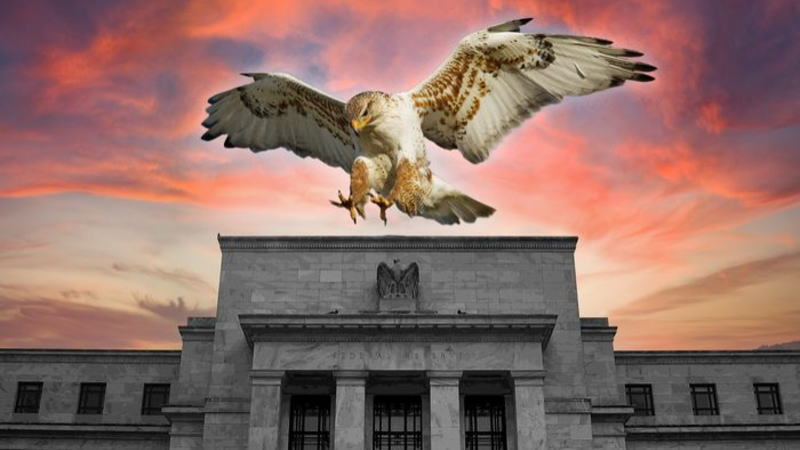
Regarding the Federal Reserve, despite the more hawkish-than-expected posture of the FOMC under new Chair Kevin Warsh, Goldman Sachs maintains its baseline forecast that the Fed will not raise rates, as roughly half of the Fed officials currently favoring a rate hike do not have voting rights this year.
Goldman Sachs also noted that valuations of AI-related stocks “are now even higher than our optimistic projections of the economic value AI could generate over the next decade, making the case for further substantial upside in these share prices increasingly difficult to justify.”