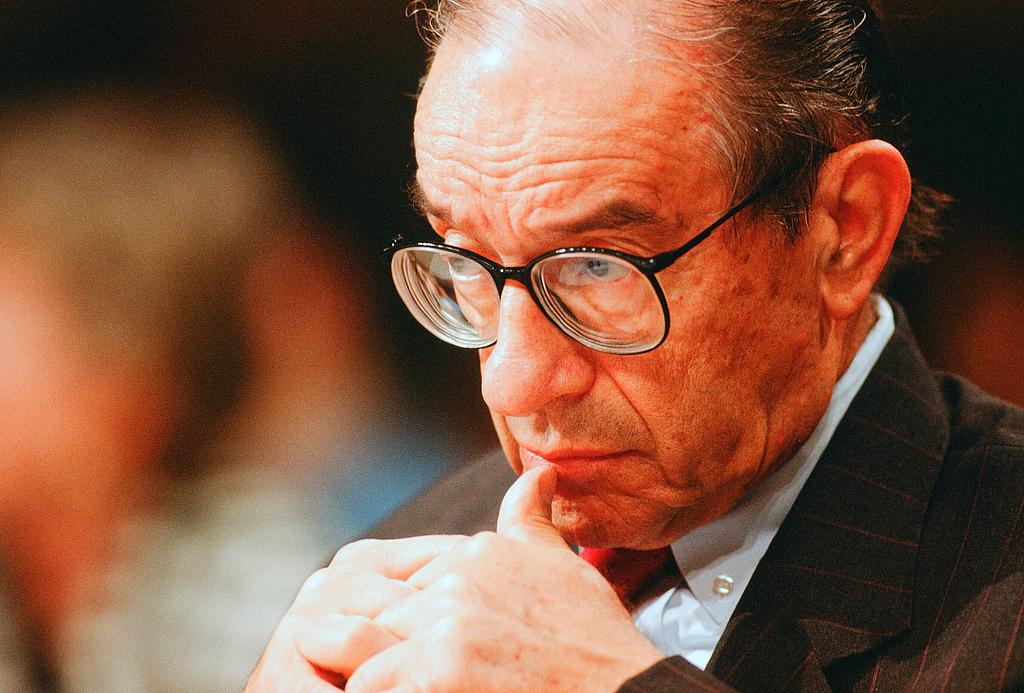
①Lee Chan-jin, Governor of the Financial Supervisory Service (FSS) of South Korea, stated at a press conference that the regulator is considering additional measures to stabilize the market, aiming to limit the potential impact of sharp fluctuations in single-stock leveraged ETFs.
②Lee Chan-jin noted, “These are high-risk products, with approximately 92% of holders being retail investors. Despite risk warnings issued by regulatory authorities, trading enthusiasm has not cooled down.”
June 22 – As the artificial intelligence (AI) boom drives rapid popularity of related products, South Korean regulators are studying measures to limit risks posed by single-stock leveraged ETFs tracking Samsung Electronics and SK Hynix.
On Monday (June 22), Lee Chan-jin, Governor of the Financial Supervisory Service, said at a press conference that, in addition to strengthening monitoring of trading activities, regulators are also considering other market-stabilizing measures to curb the impact that may arise from the extreme volatility of these ETFs.
He stated that FSS officials are coordinating related efforts with personnel from the Financial Services Commission and the Korea Exchange. Lee Chan-jin said, “Most investors are from the middle class and salaried workers; once market volatility intensifies, it may bring significant shocks to households.”
Analysts suggest that South Korea’s consideration of restrictive measures highlights the latent risks behind the wealth effect driven by the AI boom. As a key component of the global AI supply chain, Samsung Electronics and SK Hynix, at the forefront of AI chips, have seen their stock prices surge due to the development of the AI industry, also fueling the rapid expansion of related ETFs.
Several “single-stock leveraged ETFs” backed by Samsung Electronics and SK Hynix have been particularly sought after. These leveraged ETFs use derivatives, swap contracts, and other instruments to offer investors the opportunity to gain returns several times the performance of the underlying stocks.
Data shows that when 16 ETFs tracking the two chipmakers were launched at the end of May, their total assets stood at approximately USD 3 billion. According to the latest remarks by Lee Chan-jin, their scale has grown to about KRW 14 trillion (approximately USD 9.1 billion).
Although South Korea’s stock market has been among the best performers globally this year, its volatility far exceeds that of other markets—due to the sharp rises and falls of Samsung Electronics and SK Hynix, the KOSPI index has experienced multiple circuit breakers.
Lee Chan-jin said, “These are high-risk products, with about 92% of holders being retail investors. Despite risk warnings from regulators, trading activity has not cooled.”
He pointed out, “The turnover rate of leveraged ETFs is extremely high, once reaching 200% during sharp declines, and has now eased to around 130%. In terms of costs, investors’ total trading fees range from at least KRW 5 trillion to over KRW 10 trillion.”
Lee Chan-jin stated that he feels deeply distressed, noting that “this will only benefit securities firms,” and he expressed concern that “this will turn into a casino, where ultimately only a few will be able to make money.”